


Dementia-Friendly Home: 12 Practical Strategies to Boost Comfort, Safety, and Well-Being
Creating a dementia friendly home can feel overwhelming when safety and comfort seem out of reach. You want your loved one to feel secure and at ease without constant worry about risks or confusion. These 12 practical strategies bring calm, order, and thoughtful adjustments that truly support well-being at every step. Ready to make your home a place of comfort and confidence for everyone? Call us at 405-855-1050. For more tips, visit this resource.
Creating a Dementia-Friendly Home
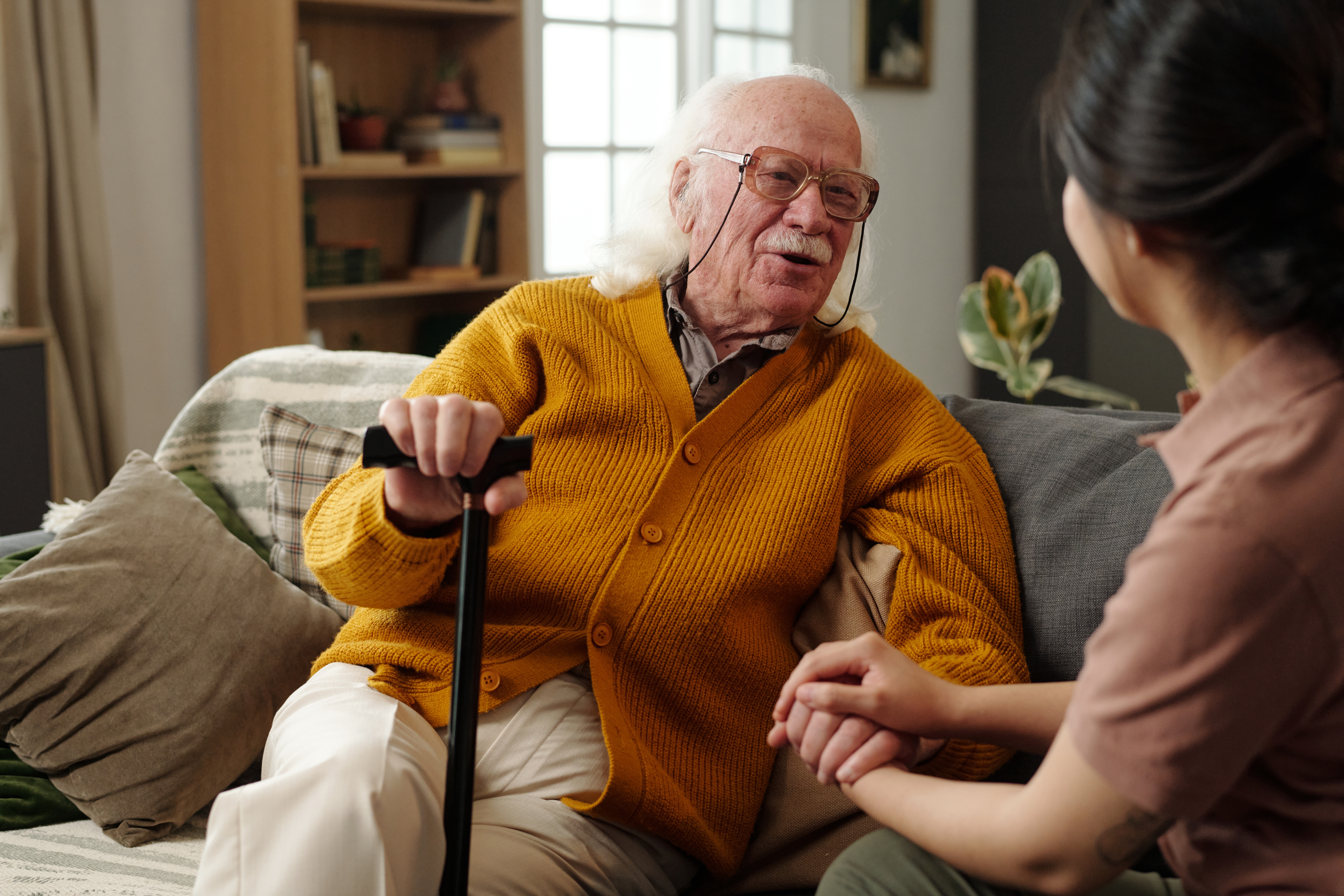
Creating a comfortable and secure environment is crucial for those dealing with dementia. By making thoughtful adjustments, you can help your loved one feel at ease. Let’s explore how simple home modifications support safety and well-being.
Simple Home Modifications
One of the best ways to make a home dementia-friendly is through straightforward changes. Start by decluttering spaces to prevent confusion and accidents. Clear pathways and remove unnecessary furniture to encourage safe movement. Using contrasting colors for walls and floors can also help distinguish areas, reducing disorientation.
Consider labeling important rooms and items. Large, clear labels on doors and cupboards can guide your loved one in recognizing spaces and finding what they need. For instance, a label on the bathroom door can serve as a helpful reminder. Additionally, installing nightlights in hallways and bathrooms ensures safe navigation after dark.
Safety is paramount. Secure rugs with non-slip backing, and safeguard sharp corners with padding. Install grab bars in the bathroom for added support. These modifications not only prevent accidents but also promote independence. For more ideas, the NHS provides practical home adaptation tips.
Alzheimer’s Home Safety Tips
When creating a safe home for someone with Alzheimer’s, consider a few key tips. Keep hazardous items like cleaning supplies and medications out of reach, ideally in locked cabinets. This precaution helps prevent accidental ingestion or misuse.
Ensure that emergency contacts are easily accessible. A list of important numbers on the fridge or next to the phone can be invaluable. Also, consider setting up a monitoring system for added security. Simple devices like motion sensors or door alarms can alert you to wandering.
Fire safety is another priority. Install smoke detectors in every room and check them regularly. In the kitchen, use appliances with automatic shut-off features to avoid accidents. These steps not only protect your loved one but also offer peace of mind. BrightFocus offers further safety strategies.
Enhancing Comfort and Well-Being

Creating a comforting environment is key to enhancing well-being for someone with dementia. By focusing on sensory cues and a calming atmosphere, you can greatly improve their quality of life.
Sensory Cues for Dementia
Using sensory cues can significantly aid those with dementia. Music is a powerful tool: familiar tunes can evoke memories and provide comfort. Try playing your loved one’s favorite songs to create a soothing environment. Additionally, incorporating pleasant scents like lavender or vanilla through diffusers can evoke feelings of relaxation and familiarity.
Tasteful decor can also serve as a sensory guide. Displaying family photos or cherished items can provide visual cues and spark conversations. These elements not only create a warm atmosphere but also help maintain connections to the past.
Balance is crucial. Avoid overwhelming your loved one with too many stimuli at once. Focus on simplicity, ensuring that each sensory element serves a clear purpose. For more sensory-friendly ideas, check out The AFA Apartment, a resource dedicated to dementia-friendly living.
Calming Environment for Dementia
A tranquil setting can make a world of difference. Start by choosing soft, warm lighting. Harsh lights can be disorienting and distressing, while a gentle glow promotes relaxation. Consider using curtains to control natural light and reduce glare.
Neutral colors, like soft blues and greens, are calming and reduce stress. Avoid bold patterns and busy wallpaper, as these can be confusing. Instead, opt for solid colors that provide a sense of stability and peace.
Encourage quiet activities, such as reading or puzzle-solving, to promote mental engagement without overstimulation. Create cozy nooks with comfortable seating, where your loved one can unwind. For more tips on creating a calming home, this guide offers practical advice.
Supporting Daily Routines
Routines bring structure, which is essential for someone with dementia. They provide a sense of normalcy and help manage daily activities with ease.
Structure and Consistency
Establishing consistent routines is vital. Regular meal times, daily walks, and scheduled activities create a predictable pattern. This consistency reduces anxiety and helps your loved one feel more in control. Write down the daily schedule and post it in a visible spot, like the kitchen.
Incorporate familiar activities. Encourage hobbies that your loved one enjoys, whether it’s gardening, painting, or knitting. These activities not only occupy time but also bring joy and a sense of accomplishment. Moreover, involving your loved one in household chores, like setting the table or folding laundry, provides purpose and engagement.
Flexibility is key. While routines are important, it’s also essential to adapt to your loved one’s mood and energy levels. Some days may require a gentler approach. Always prioritize comfort and well-being.
Safe Mobility and Fall Prevention
Ensuring safe mobility is crucial in preventing falls. Start by assessing the home for potential hazards. Remove loose rugs and secure cables out of walkways. Adequate lighting in all areas, especially staircases, is critical for safe navigation.
Install handrails on both sides of stairs and grab bars in the bathroom for added support. Non-slip mats are essential in wet areas. Encourage your loved one to use assistive devices, like canes or walkers, when necessary.
Regular exercise can improve strength and balance, reducing fall risk. Simple activities, such as stretching or yoga, can be beneficial. Encourage participation in these routines to promote physical well-being. For comprehensive tips on fall prevention, explore this useful resource.
By incorporating these strategies, you create an environment that nurtures safety, comfort, and independence. Remember, every small change contributes to a more supportive and dementia-friendly home. Call us at 405-855-1050.
Leave a Reply