

Technology to Combat Senior Isolation: How Innovation Is Improving Senior Well-Being
Social isolation is currently one of the most serious challenges facing older adults today. As mobility changes and social circles become smaller, consequently, many seniors experience loneliness that can impact both mental and physical health. Fortunately, however, technology is playing an increasingly important role in combating senior isolation, thereby helping older adults stay connected, engaged, and supported.
At Home Care Squad LLC, we recognize that how combining compassionate in-home care with modern technology can significantly improve quality of life for seniors aging at home.

Staying connected is more important than ever, especially for seniors. Let’s explore how bridging the gap with technology can change lives.
Why Senior Isolation Matters
Studies show that social isolation among seniors is consequentially linked to higher risks of depression, cognitive decline, heart disease, and hospitalization. Therefore, addressing isolation is now a major focus in senior care initiatives nationwide.
Moreover, the National Institute on Aging highlights the crucial importance of social connection for healthy aging.
Technology Helping Seniors Stay Connected
1. Video Calling & Communication Tools
User-friendly video platforms allow seniors to:
-
Stay in touch with family and friends
-
Participate in virtual celebrations and appointments
-
Maintain emotional connections despite distance
With guidance from caregivers, even seniors with limited tech experience can learn to use tablets and smartphones effectively.
2. Telehealth & Virtual Check-Ins
Telehealth services reduce isolation by increasing access to care without leaving home. Seniors can:
-
Attend medical appointments virtually
-
Speak with healthcare providers regularly
-
Reduce anxiety related to transportation and mobility
The CDC explains how telehealth improves access for older adults.
At Home Care Squad LLC, caregivers can assist seniors with setting up and navigating virtual appointments.
3. Smart Devices & Voice Assistants
Voice-activated technology helps seniors stay engaged while maintaining independence. These tools can:
-
Set reminders for medications and appointments
-
Play music, audiobooks, or news
-
Enable hands-free communication
Smart devices are especially helpful for seniors with limited mobility or vision challenges.
4. Online Activities & Virtual Communities
Many seniors now participate in:
-
Virtual exercise classes
-
Online faith services
-
Digital hobby groups and learning programs
AARP offers guidance on technology use for older adults.
These platforms help seniors feel connected to a larger community while staying safely at home.
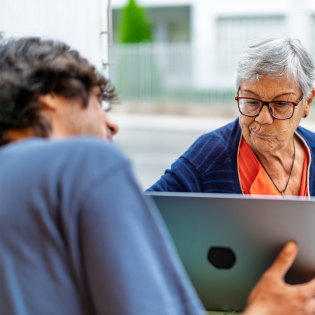
Now, let’s see how Home Care Squad LLC steps in to make these connections smoother and more meaningful.
The Role of In-Home Care in Technology Use
While technology offers many benefits, personal support remains essential. Professional caregivers help bridge the gap by:
-
Teaching seniors how to use devices
-
Encouraging consistent social engagement
-
Monitoring emotional well-being
At Home Care Squad LLC, our caregivers provide both companionship and hands-on support, ensuring seniors feel confident using technology while maintaining meaningful human connection.
Balancing Technology and Personal Care
Technology is a powerful tool, but it works best when combined with compassionate, personalized care. In-home care services ensure seniors receive:
-
Emotional support
-
Daily interaction
-
Safety and supervision
Together, technology and professional caregiving create a well-rounded approach to reducing isolation and improving overall quality of life.

Looking ahead, the potential for even more meaningful connections is vast. Let’s explore what’s on the horizon.
Final Thoughts
Technology is undeniably transforming senior care by not only helping combat isolation but also by strengthening connections. Moreover, when paired with trusted in-home support from providers like Home Care Squad LLC, seniors can therefore enjoy greater independence, engagement, and emotional well-being while aging in place.
Furthermore, supporting social connection is not just about innovation; rather, it’s about ensuring every senior feels seen, heard, and valued.
Leave a Reply